
women, peace, security
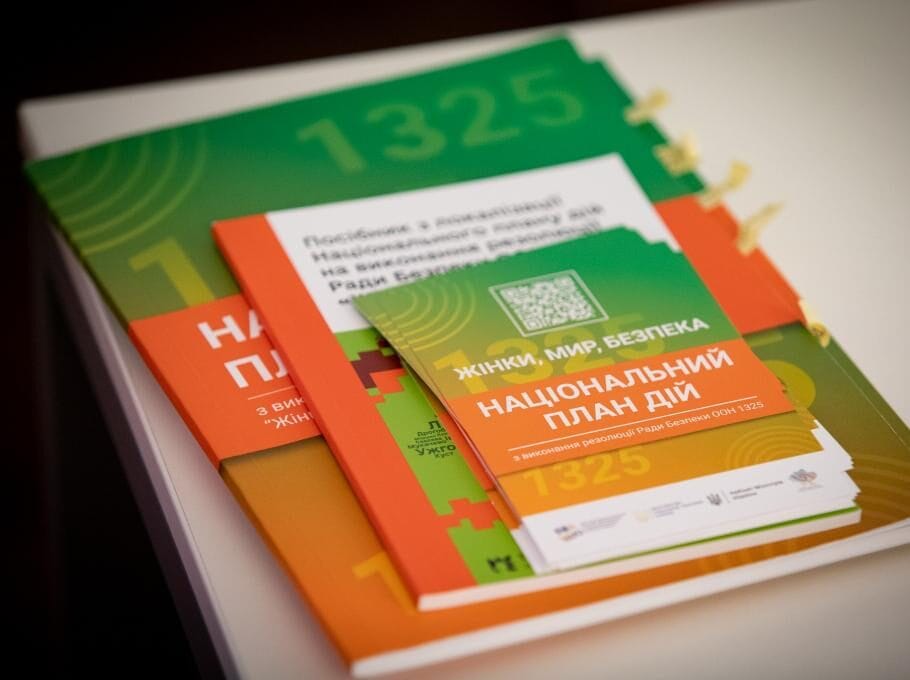
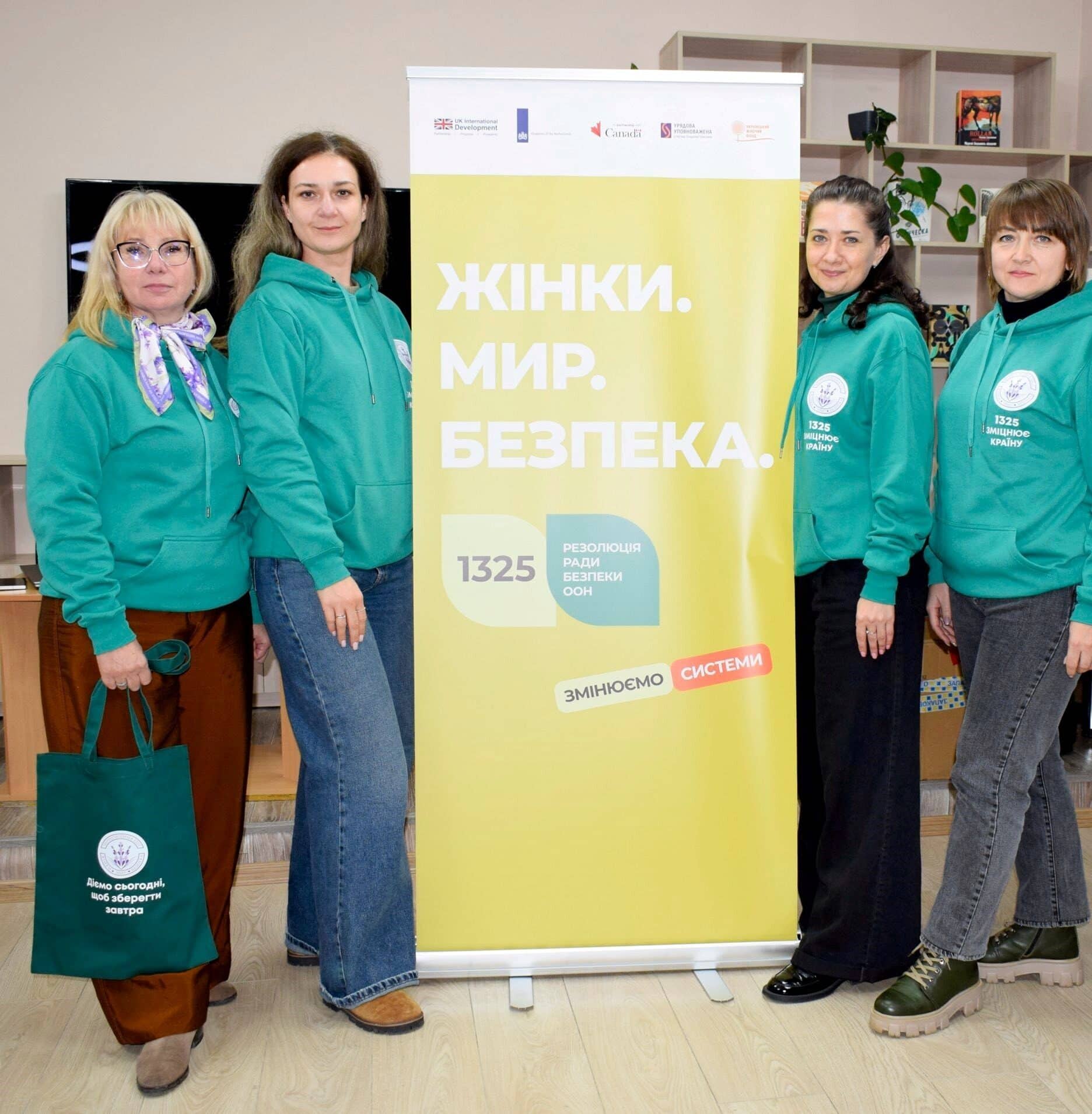
National Action Plan 1325

NAP
1325
UN Security Council Resolution
No. 1325 “Women, Peace, and Security”
UN Security Council Resolution No. 1325 “Women, Peace, and Security” was adopted on October 31, 2000. For the first time in history, a document at the UN level officially recognized the important role of women in peace, security, and conflict resolution.
In February 2016, Ukraine approved its first National Action Plan for the implementation of Resolution 1325. This was a historic step:
Ukraine became the first country in the world to adopt such a document during an armed conflict.
The adoption of the plan is a recognition at the state level that women play a critical role in overcoming the consequences of war, building peace, protecting victims, and rebuilding the country.


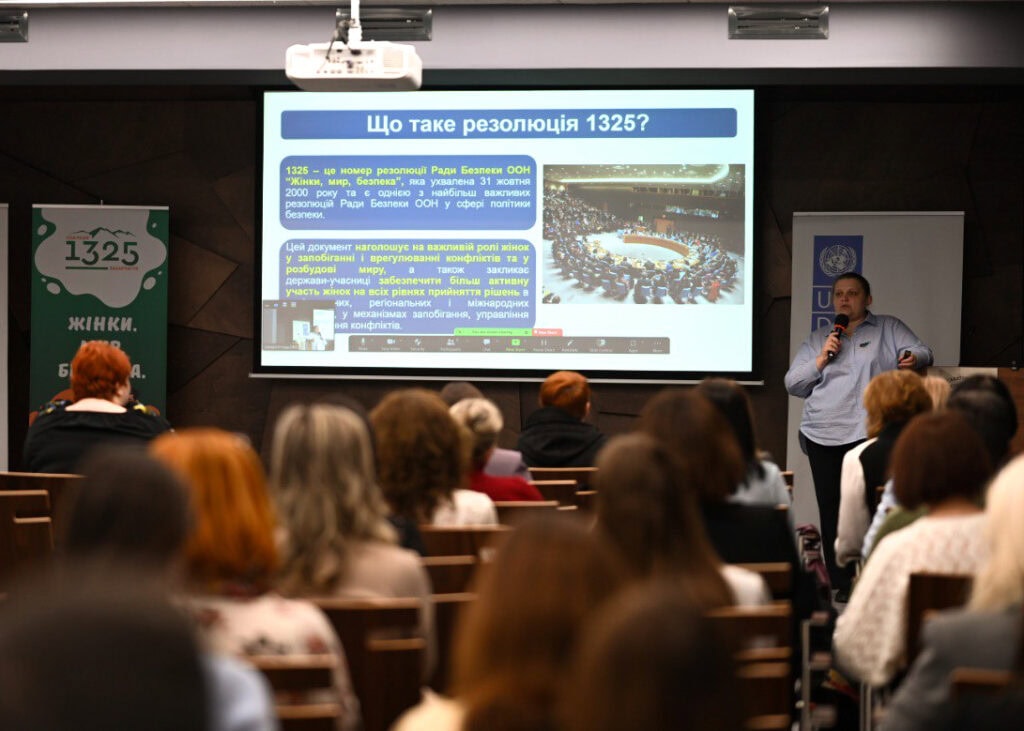
The National Action Plan (NAP) 1325 –
is a strategic document that describes how Ukraine will implement the goals of the Women, Peace, and Security Resolution.
It includes specific tasks, measures, and indicators covering the equal participation of women and men in decision-making in the field of security and defense; the protection of women and girls from gender-based violence; support for war victims, including internally displaced persons; and the involvement of women in peacebuilding processes and the restoration of the country.
NAP
1325
Main areas of UN Security Council Resolution 13254
-
Prevention
preventing sexual and gender-based violence, as well as raising awareness of gender issues in early conflict warning systems. Through improving strategies to prevent violence against women, including by holding those responsible for violations of international law accountable; strengthening women’s rights in national legislation; supporting women’s initiatives at the local level for peacebuilding and conflict resolution processes.
-
Protection
calling for the protection of women and girls from sexual and gender-based violence, particularly in emergency and humanitarian situations, improving the safety of women and girls, their physical and mental health, economic security, and overall well-being.
-
Participation
promoting the increased participation of women at all levels of decision-making, including in national, regional, and international institutions; in conflict prevention, conflict management, and conflict resolution mechanisms; in peace negotiations; in peace operations as military personnel, police officers, and civilian workers; and in establishing partnerships with local women’s organizations.
-
Recovery
Improving response and recovery measures aimed at resolving crises, taking into account the needs of women and girls, ensuring equal distribution of assistance to women and girls, and incorporating a gender perspective into response and recovery efforts.